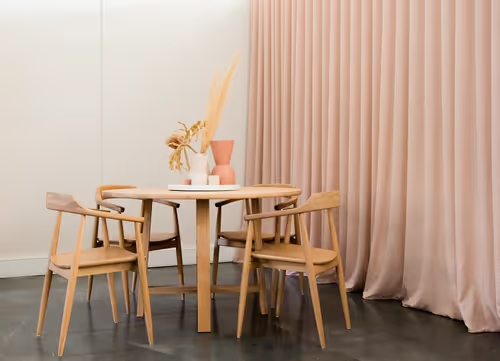
Choosing the right curtains can make a huge difference to the comfort, style and functionality of your home. If you’ve been wondering how to choose curtains, the key is finding a balance between aesthetics, privacy, light control and practicality.
Curtains are more than just a decorative feature - they help regulate temperature, improve acoustics and create a finished look in every room.
This guide explores the most important factors to consider when selecting curtains, and why an in-home consultation can help you make the best choice for your space.
What to consider when choosing curtains
When deciding how to choose curtains, it helps to think about what you need them to achieve in each room.
Curtains can provide:
- Privacy from outside
- Light filtering or blockout
- Insulation for warmth and energy efficiency
- A softer, more inviting interior style
Different rooms may require different curtain solutions depending on how the space is used.

1. Choose the right curtain fabric
Fabric is one of the biggest factors in how curtains look and perform.
Light fabrics
Sheer and lightweight materials create an airy feel and allow natural light to flow through. These work well in living spaces where privacy is needed without blocking brightness.
Heavier fabrics
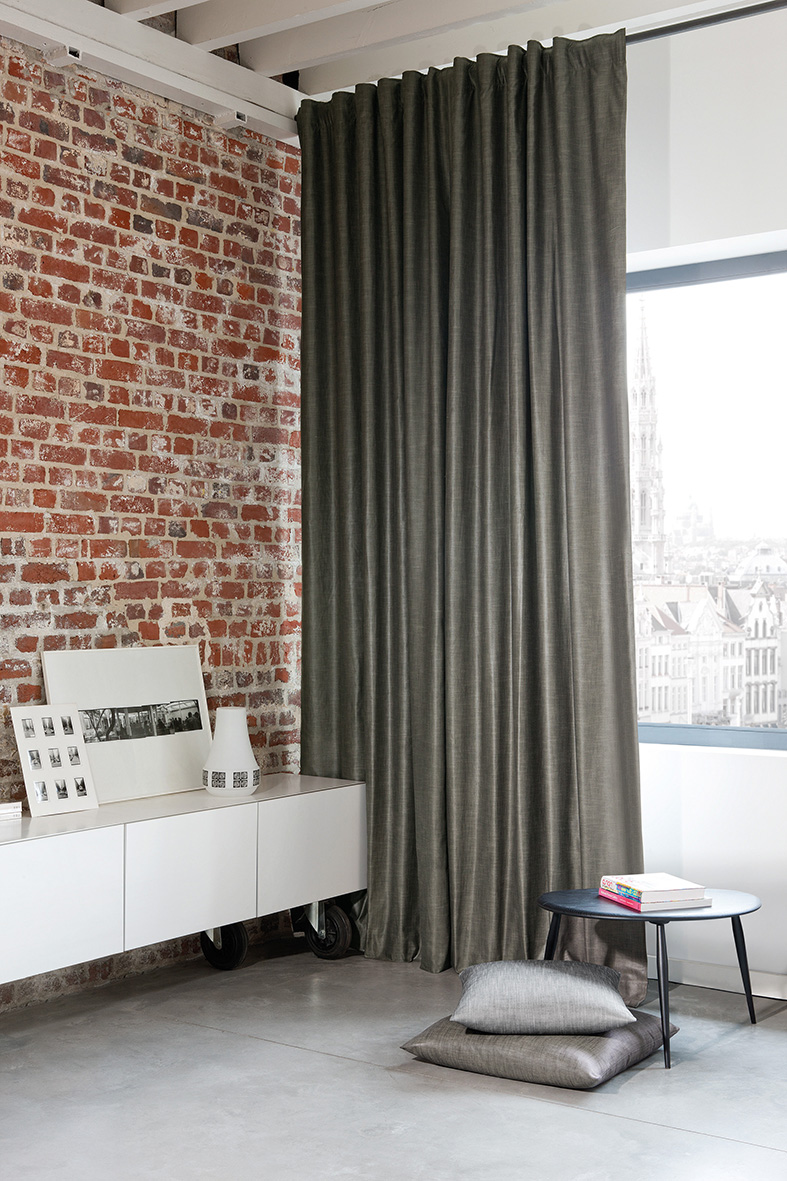
Thicker materials provide better insulation and are ideal for bedrooms or rooms that need blockout performance.
The right fabric choice will depend on the mood you want to create and how much light control you need.
2. Decide on the Level of Light Control
A major part of learning how to choose curtains is understanding lining options.
- Sheer curtains soften light and provide daytime privacy
- Light-filtering curtains reduce glare while keeping rooms bright
- Blockout curtains are best for bedrooms, nurseries and media rooms
- Double-layer curtains combine sheers and blockout for flexibility
Choosing the right level of light control helps improve comfort throughout the day.
3. A style that suits your home
Curtains come in a wide range of styles, each creating a different look.
Popular options include:
- S-fold curtains for a modern, wave-like finish
- Pencil pleat curtains for a classic, gathered appearance
- Pinch pleat curtains for a tailored, elegant style. They’re available in single, Dutch (double), or French (triple) pleats, which refers to the number of folds in each pleat.
The best style will depend on your interior design and whether you prefer contemporary or traditional finishes.
4. Think about curtain length and fullness
Curtain length can dramatically change the feel of a room.
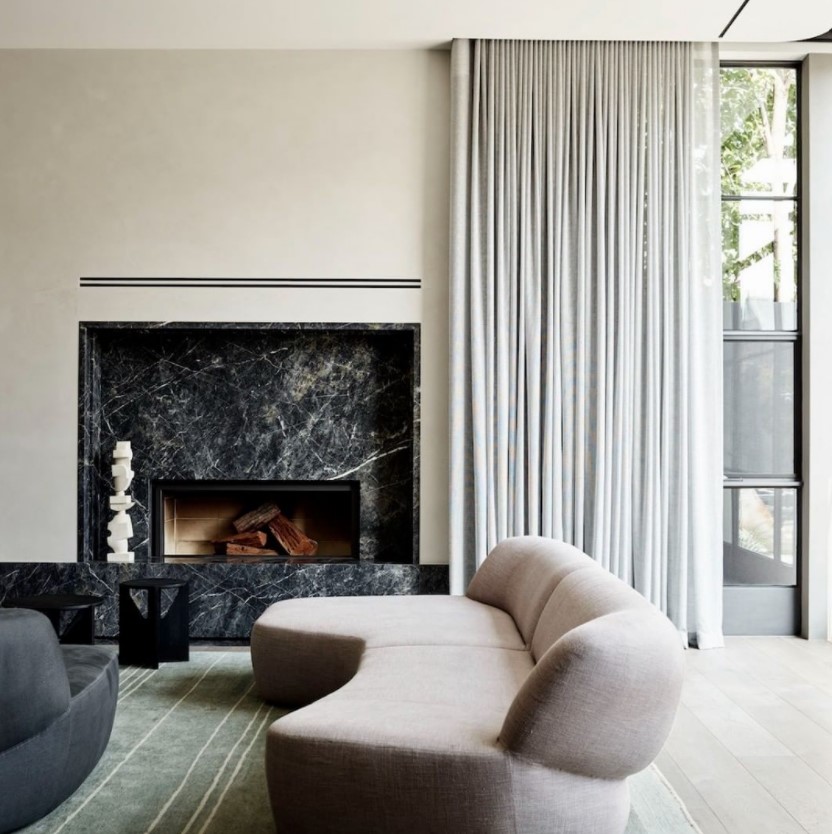
- Floor-length curtains create a luxurious and spacious look
- Sill-length curtains work well in kitchens or smaller windows
- Extra-wide curtains provide a fuller, more high-end finish
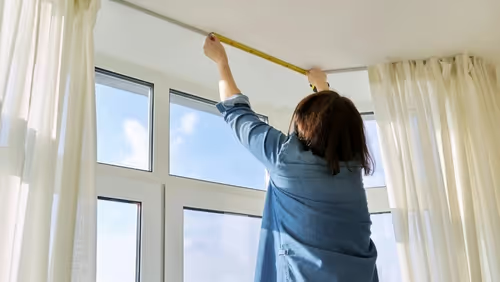
Professional measuring is essential to ensure curtains hang correctly and enhance the proportions of your space.
5. Match curtains to your lifestyle
Practical considerations are just as important as style.
For example:
- Homes with young children may benefit from easy-clean fabrics
- Bedrooms often need blockout curtains for better sleep
- Open-plan living areas may suit layered sheer and blockout options
- Energy-conscious households may prefer thermal-lined curtains
Choosing curtains that suit your daily life will ensure long-term satisfaction.
Your home, your light, your perfect curtains
Online inspiration is a great starting point, but curtains look different depending on lighting, wall colour and furnishings.
An in-home consultation allows you to:
- View fabric samples in your own home
- Get advice tailored to your space and lifestyle
- Explore lining and track options
- Receive accurate measurements and professional recommendations
With Harrisons Curtains, consultations are designed to make choosing curtains simple and stress-free.
FAQs
What curtains are best for bedrooms?
Blockout or double-layer curtains are ideal for bedrooms, providing privacy, insulation and better light control.
Are sheer curtains still practical?
Yes - sheer curtains are great for living areas, offering softness and daytime privacy while keeping rooms bright.
Do curtains help with insulation?
Thermal-lined curtains can help regulate indoor temperature by reducing heat loss in winter and blocking heat in summer.
Can I combine sheers and blockout curtains?
Absolutely. Many Australian homes choose layered curtains for flexibility and style.